
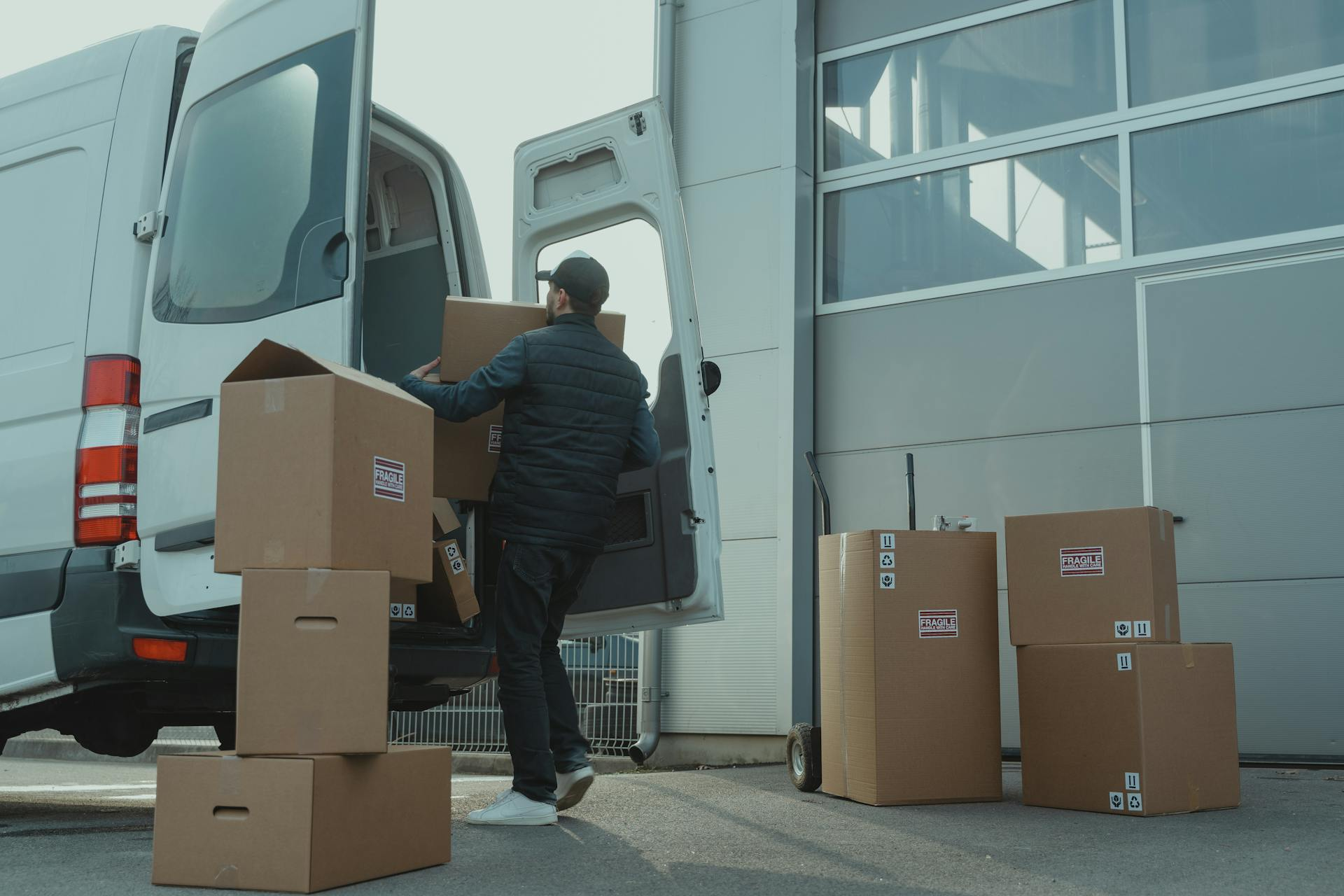
Pros & Cons of Becoming a Delivery Driver
Food and grocery delivery apps can look like easy money: log in, accept orders, get paid. The reality is more complicated. This guide breaks down the real pros and cons of delivery driving so you can decide if putting miles on your car is actually worth it for you.
Is Delivery Driving the Right Gig for You?
Delivery apps can be a solid way to make money if you understand the true costs: fuel, wear and tear, slow periods, and taxes. This guide is for you if:
- You’re considering DoorDash, Uber Eats, Instacart, or similar apps but haven’t started yet.
- You’ve done a few deliveries and aren’t sure if the numbers make sense.
- You’re deciding between delivery driving vs. click work from home and want a realistic comparison.
We’ll walk through the biggest advantages and tradeoffs so you can choose based on math and lifestyle—not just screenshots from Reddit or TikTok.
Quick Questions to Ask Yourself
- Do you already own a reliable car, bike, or scooter?
- Is your city or suburb busy enough for consistent orders?
- Are you okay with driving at night or in bad weather?
- Would you rather be on the road, or earning from a laptop?
Pros of Becoming a Delivery Driver
1. Flexible Schedule You Control
Most delivery apps let you log in whenever you want, drive for a block of time, then log out. You choose when to work—after your 9–5, between classes, or during weekend rushes.
2. Fast Path to Your First Payout
Once you’re approved and activated, you can usually start earning the same day. Many apps offer instant cashout for a small fee, which can be helpful if you’re in a tight spot.
3. Simple Work (No Phone Calls or Sales)
You pick up food or groceries and drop them off. There’s no cold-calling, no selling, and limited conversation. For introverts or people who hate customer-facing roles, this can be refreshing.
4. You Can Stack Apps for Better Demand
Running two or three apps (for example DoorDash + Uber Eats + a grocery app) lets you cherry-pick the best orders instead of waiting for whatever comes through one platform.
5. Decent Earnings in the Right Markets
In dense urban areas or near busy college towns, drivers can have strong hours during peak times—especially if they learn which zones, restaurants, and hours are the most profitable.
6. Built-In Downtime for Other Gigs
You’ll spend time parked, waiting for orders or for food to be prepared. With the right setup, that “dead time” can be used for surveys or microtasks on your phone—turning a delivery shift into a multi-gig work session.
Cons of Becoming a Delivery Driver
1. Your Car Is the Business (and the Expense)
Gas, tires, brakes, oil changes, insurance, and random repairs all come out of your pocket. The more you drive, the faster your car depreciates—and the more you’ll eventually pay to keep it on the road or replace it.
2. Hourly Rates Can Be Very Inconsistent
A screenshot of a $30/hour Saturday night doesn’t show the slow Tuesday afternoons. Demand fluctuates based on weather, local events, competition from other drivers, and algorithm changes.
3. Physical and Mental Fatigue
Constant driving, traffic, hunting for addresses, and climbing apartment stairs can add up. After a long shift, you may feel too drained to work on higher-value projects or even enjoy your free time.
4. You’re a Contractor, Not an Employee
No benefits, no guaranteed minimum hours, and no employer-paid taxes. You’re responsible for tracking mileage, saving for taxes, and dealing with any paperwork that comes with running a solo gig business.
5. Safety & Weather Concerns
Driving at night, in storms, or in unfamiliar neighborhoods carries risk. Parking tickets, minor fender-benders, and rude customers are all part of the package that rarely shows up in promo materials.
6. Algorithms and Tips Are Out of Your Control
Apps can change how orders are assigned or how base pay works overnight. Customers can lower or remove tips after the fact. You have levers you can pull, but you don’t own the platform.
How to Do the Math on Delivery Driving
Before you commit to delivery apps, you need a real hourly rate after gas, car costs, and taxes. A lot of people skip this step and find out too late that they’re earning less than minimum wage.
- Track your gross pay: Add up base pay + tips for the shift.
- Log hours worked: From the moment you head out until you get home.
- Estimate mileage costs: Multiply miles driven by a realistic per-mile cost (fuel + wear/tear).
- Set aside tax money: A simple rule-of-thumb is 20–30% of your profit, depending on your situation.
If your effective hourly rate after all of that is lower than you’d like, you can either optimize (better times, zones, and orders) or shift more of your effort into online click work that doesn’t burn your car.
Simple Delivery Shift Worksheet
- Shift start / end time
- Total miles driven
- Gross pay (app + cash tips)
- Estimated vehicle cost (miles × cost per mile)
- Estimated taxes (percentage of profit)
- Final hourly rate after costs
When Delivery Driving Makes Sense (and When It Doesn’t)
Delivery Driving Can Be a Good Fit If…
- You already own a reliable vehicle and keep up with maintenance.
- You live in or near a busy delivery market with strong demand.
- You enjoy driving, listening to music/podcasts, and being out of the house.
- You’re okay working nights, weekends, and bad weather for higher earnings.
- You treat it like a business and track your real hourly rate.
Delivery Driving Might Not Be Worth It If…
- Your car is already fragile, high-mileage, or expensive to repair.
- You live in a rural area with long distances between orders.
- You’re uncomfortable driving in traffic, at night, or in bad weather.
- You don’t want to track expenses or deal with self-employment taxes.
- You’d rather build skills from a laptop than trade miles for money.
How Delivery Fits into a Bigger Gig Strategy
You don’t have to pick only delivery apps or only click work. Many people do best with a hybrid approach:
- Use delivery driving for short, high-intensity bursts during peak hours.
- Fill downtime and off-hours with usability tests, surveys, and microtasks.
- Let passive and cashback apps stack in the background on every grocery run.
- Keep an eye on skill-based gigs (tutoring, freelance work) that pay more per hour over time.
The key is to make sure each hour you work is intentional and moving you toward a better financial position—not just burning gas because the app is open.
Build Your Own “Click Work + Delivery” Stack
- Pick 1–2 delivery apps that fit your vehicle and market.
- Add 2–3 at-home platforms for off-road earning.
- Turn on passive and cashback apps for grocery and gas trips.
- Track everything in a simple dashboard or the Click Work Tracker.

Your Next Step: Decide Where Your Next Hour Goes
If delivery driving fits your life and the math checks out, lean into it. If not, you can build a click work system from home that doesn’t depend on mileage or gas prices.